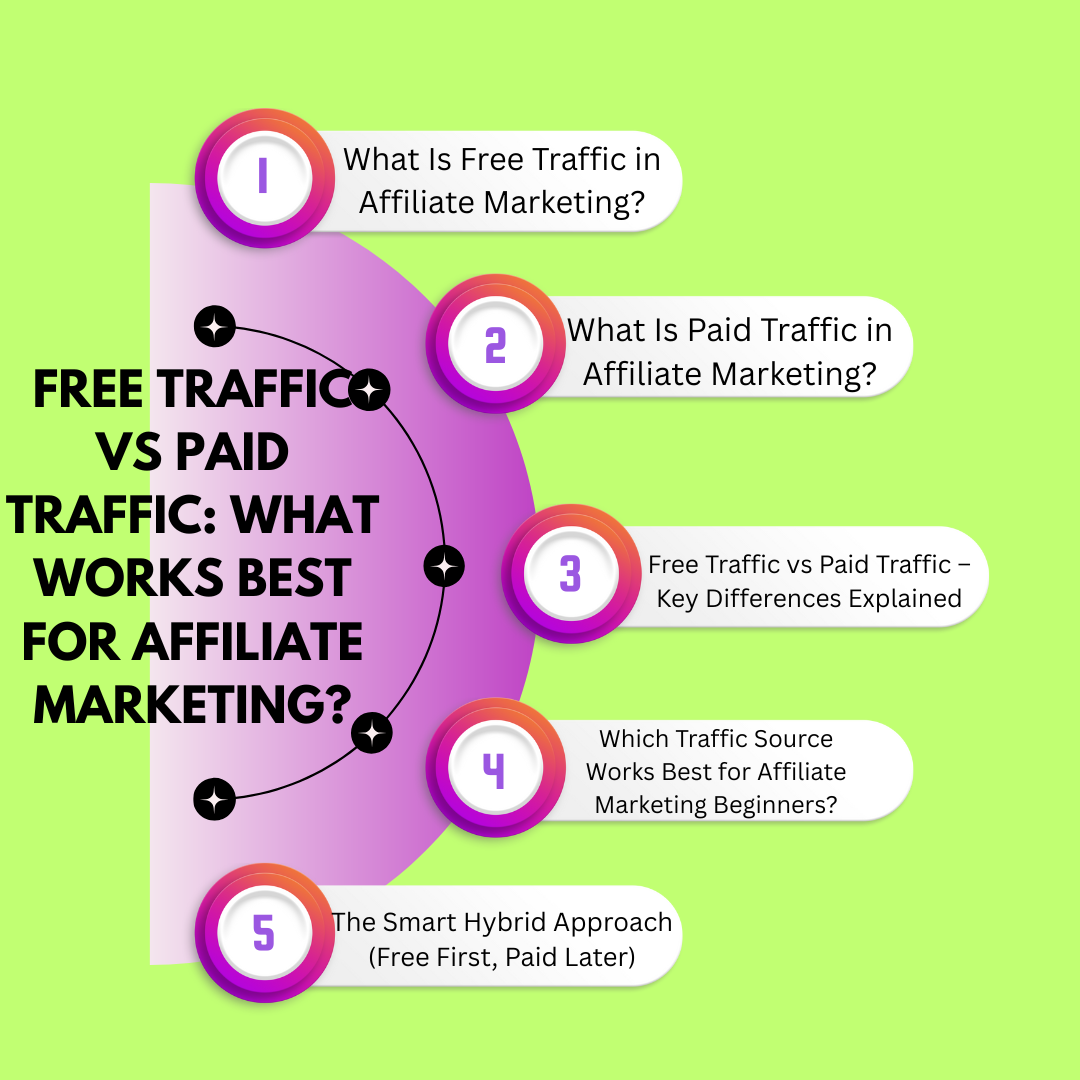
Welcome to my article Free Traffic vs Paid Traffic: What Works Best for Affiliate Marketing? If you’ve spent more than five minutes learning about affiliate marketing, you’ve probably noticed one thing: everyone has very strong opinions about traffic. Some people swear by free traffic like blogging and social media, while others insist that paid ads are the only “real” way to make money. Scroll long enough and you’ll start wondering if choosing the wrong traffic source is the reason most beginners never see results. That’s where the debate of free traffic vs paid traffic for affiliate marketing really begins—and no, the answer isn’t as simple as “pick this one and you’ll be rich.”
Free traffic usually sounds more attractive, especially for beginners. After all, who doesn’t like the word free? Creating content, ranking on search engines, posting videos, or sharing helpful insights in communities doesn’t cost money, but it does cost time, patience, and consistency. Paid traffic, on the other hand, promises speed. Launch an ad, get clicks instantly, and watch results roll in—at least that’s the theory. In reality, paid traffic can feel less like a shortcut and more like a fast way to discover how quickly money can disappear if you don’t know what you’re doing. Both methods work, but they work very differently.
In this article, we’ll break down free traffic vs paid traffic in a clear, beginner-friendly way—without hype or scare tactics. You’ll learn how each traffic source works, the pros and cons of both, and which option makes the most sense depending on your experience level, budget, and goals. Whether you’re starting affiliate marketing with no money or wondering when (or if) paid ads are worth trying, this guide will help you choose a strategy that actually fits your situation—not just someone else’s success story.
What Is Free Traffic in Affiliate Marketing?
Free traffic in affiliate marketing simply means getting people to see your content without paying for ads. No credit card, no daily ad budget, and no panic when a campaign doesn’t convert. Instead of buying clicks, you earn attention by creating content that people naturally discover through search engines, social media, or online communities. It’s “free” in terms of money—but not in terms of effort. You pay with time, consistency, and the occasional moment of wondering why your post has exactly three views (one of which is probably you).
Common free traffic sources include SEO-based blogging, YouTube and short-form videos, social media platforms, and online communities like forums or Facebook groups. With blogging, you write articles that answer questions people are already searching for, and over time those posts can bring visitors daily without extra work. Video platforms work similarly—helpful videos can continue getting views long after you upload them.
My Best Recommended & Proven Way to Make $100-$300 Daily – Watch This FREE Video to START >>>
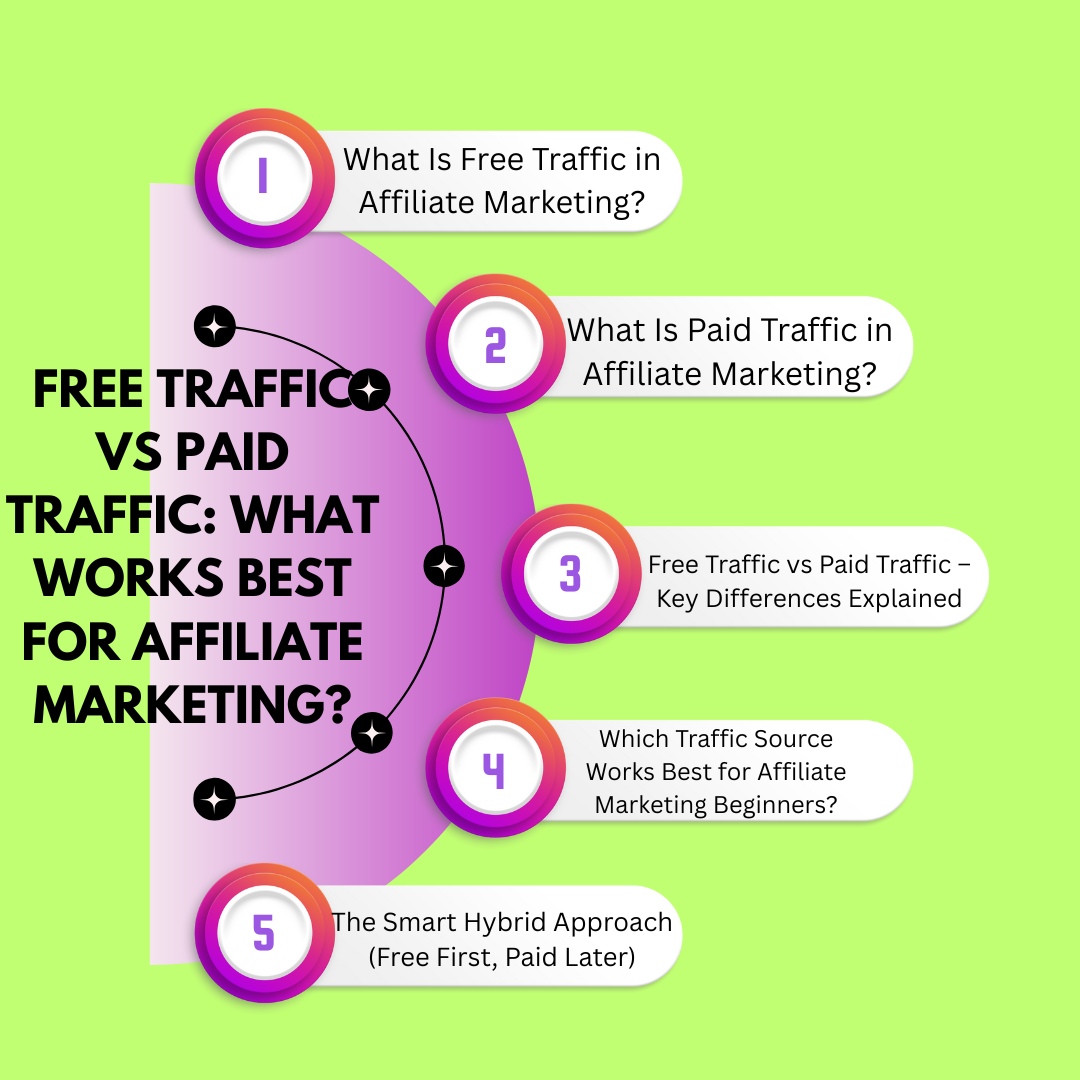
Social media and communities can drive faster engagement, especially when you focus on helping and sharing value instead of dropping affiliate links like confetti. The platforms are free; the learning curve is not.
The biggest advantage of free traffic is sustainability. A well-written blog post or helpful video can generate affiliate clicks for months or even years. Free traffic also forces you to learn essential skills like content creation, audience understanding, and trust-building—skills that carry over into every other part of affiliate marketing. The downside is speed. Free traffic is slow in the beginning and requires patience most beginners aren’t warned about. But if you’re playing the long game and building affiliate marketing as a real business, free traffic isn’t just a good option—it’s often the smartest place to start.
What Is Paid Traffic in Affiliate Marketing?
Paid traffic in affiliate marketing is exactly what it sounds like: you pay for visibility. Instead of waiting for people to discover your content naturally, you use advertising platforms to put your affiliate offer directly in front of a targeted audience. This can include search ads, social media ads, video ads, or native ads that blend into websites. When it works, paid traffic feels almost magical—clicks start coming in within minutes. When it doesn’t, it feels like watching money quietly leave your account while you pretend not to notice.
The main advantage of paid traffic is speed and control. You can choose who sees your ads based on interests, search intent, demographics, or behavior, and you can test offers quickly. This makes paid traffic popular with experienced affiliate marketers who already know what converts. If an offer is proven and the numbers make sense, paid ads can be scaled fast. But that speed comes with risk. Every click costs money, and without proper tracking, testing, and optimization, it’s easy for beginners to spend more than they earn—sometimes before they even realize what went wrong.
My Best Recommended & Proven Way to Make $100-$300 Daily – Watch This FREE Video to START >>>
Paid traffic also has a steeper learning curve than most people expect. Writing ads, understanding platforms’ rules, building funnels, and analyzing data are skills that take time to develop. That’s why paid traffic is usually not recommended as a starting point for beginners, especially those with limited budgets. It’s not that paid traffic doesn’t work—it absolutely does—but it works best after you understand your audience, your offer, and your numbers. In affiliate marketing, paid traffic isn’t a shortcut to success; it’s an amplifier. If your foundation is strong, it can accelerate results. If it’s weak, it can accelerate losses just as quickly.
Free Traffic vs Paid Traffic – Key Differences Explained
When comparing free traffic vs paid traffic, the biggest difference isn’t just cost—it’s how you invest. Free traffic asks for your time and patience, while paid traffic asks for your money and your ability to manage risk. With free traffic, you create content, wait for it to gain traction, and slowly build momentum. With paid traffic, you can flip a switch and get visitors almost instantly. Both paths can lead to affiliate commissions, but they feel very different along the way.
Another major difference is speed versus sustainability. Paid traffic is fast. You can launch an ad today and see clicks today. Free traffic is slow, especially at the beginning, but it has staying power. A blog post, video, or helpful community answer can continue sending traffic long after it’s published, without additional cost. Paid traffic stops the moment you stop paying. Free traffic keeps working even when you step away—assuming you’ve done the work upfront. If paid traffic is renting attention, free traffic is slowly owning it.
My Best Recommended & Proven Way to Make $100-$300 Daily – Watch This FREE Video to START >>>
Risk level also separates the two. Free traffic is low-risk financially—you might waste time, but you won’t drain your bank account. Paid traffic carries real financial risk, especially for beginners who are still learning what converts. There’s also a difference in trust-building. Audiences often trust content they discover organically more than ads, which can improve conversion rates over time. Paid traffic can scale faster, but only when the foundation is solid. In the end, free traffic and paid traffic aren’t enemies—they’re tools. The best choice depends on your experience, resources, and how quickly you want results without losing sleep (or money) along the way.
Which Traffic Source Works Best for Affiliate Marketing Beginners?
For most beginners, the best traffic source for affiliate marketing is usually the least exciting one: free traffic. Not because it’s flashy or fast, but because it’s forgiving. When you’re new, you’re still learning how affiliate links work, what your audience actually cares about, and how to explain things clearly without sounding like a sales robot. Free traffic gives you room to make mistakes without paying for every lesson. You might spend time creating content that doesn’t perform well, but at least your bank account stays intact.
Paid traffic, while powerful, often magnifies beginner mistakes instead of hiding them. A poorly chosen product, unclear messaging, or weak landing page can quickly turn into wasted ad spend. Many beginners jump into ads too early because they want speed, only to discover that traffic alone doesn’t equal sales. Without understanding your audience or having proven content, paid traffic becomes expensive guesswork. That’s why paid ads tend to work best after you’ve already seen organic results and know what resonates.
My Best Recommended & Proven Way to Make $100-$300 Daily – Watch This FREE Video to START >>>
Free traffic sources like blogging, video content, and social platforms also help beginners build the most important asset in affiliate marketing: trust. When people discover your content naturally and find it helpful, they’re more likely to click your links and take your recommendations seriously. This trust compounds over time, making future promotions easier and more effective. Once you’ve built that foundation and maybe earned your first commissions, introducing paid traffic becomes a strategic choice—not a desperate one. For beginners, free traffic isn’t just the safest option; it’s often the smartest place to start.
The Smart Hybrid Approach (Free First, Paid Later)
The smart hybrid approach to affiliate marketing is best summed up as free first, paid later—and not because paid traffic is bad, but because timing matters. Starting with free traffic allows you to learn the fundamentals without risking your budget. You get to understand your niche, test content ideas, and see which products people actually respond to. Think of free traffic as your training ground. You’re building skills, data, and confidence, all while keeping your credit card safely out of reach.
As free traffic starts to work, something important happens: patterns emerge. You notice which blog posts get clicks, which videos lead to sign-ups, and which affiliate links convert. This information is incredibly valuable because it removes guesswork. Instead of throwing money at ads and hoping for the best, you can make informed decisions. When you eventually introduce paid traffic, you’re not starting from zero—you’re amplifying what’s already proven to work. That’s the difference between strategic advertising and expensive experimentation.
My Best Recommended & Proven Way to Make $100-$300 Daily – Watch This FREE Video to START >>>
The hybrid approach also helps with sustainability and growth. Free traffic builds long-term assets like content, authority, and trust, while paid traffic adds speed and scalability when used wisely. Many successful affiliate marketers use both: organic traffic for stability and ads for controlled growth. The key is not rushing the process. Master free traffic first, reinvest your early commissions, and treat paid traffic as a tool—not a rescue plan. When used in the right order, this balanced approach gives you the best of both worlds: lower risk, smarter growth, and a much better chance of long-term success.
Conclusion: Free Traffic or Paid Traffic—What Should You Choose?
So, when it comes to free traffic or paid traffic, which one should you choose for affiliate marketing? The honest answer is neither is “better” in every situation—it depends on where you are and what you’re trying to achieve. Free traffic is ideal if you’re just starting out, working with a limited budget, or still learning how affiliate marketing actually works. It gives you time to experiment, build trust, and develop skills without the stress of watching money disappear with every click.
Paid traffic, on the other hand, shines when you already have clarity. If you understand your audience, know which offers convert, and have content or funnels that work, paid ads can help you scale faster. But jumping into paid traffic too early often leads to frustration and unnecessary losses. Speed without direction is rarely helpful, especially in affiliate marketing where trust and relevance matter more than raw traffic numbers.
For most people, the smartest choice isn’t free or paid—it’s free first, paid later. Build your foundation with organic traffic, learn what works, and let results guide your next steps. Affiliate marketing is a long-term game, not a race. Whether you start with free traffic, paid traffic, or eventually use both, the key is choosing a strategy that matches your experience level and resources. Pick one path, stay consistent, and remember: the best traffic source is the one you actually stick with long enough to see results.
Thanks for reading my article in this topic Free Traffic vs Paid Traffic: What Works Best for Affiliate Marketing?. See you with another article.